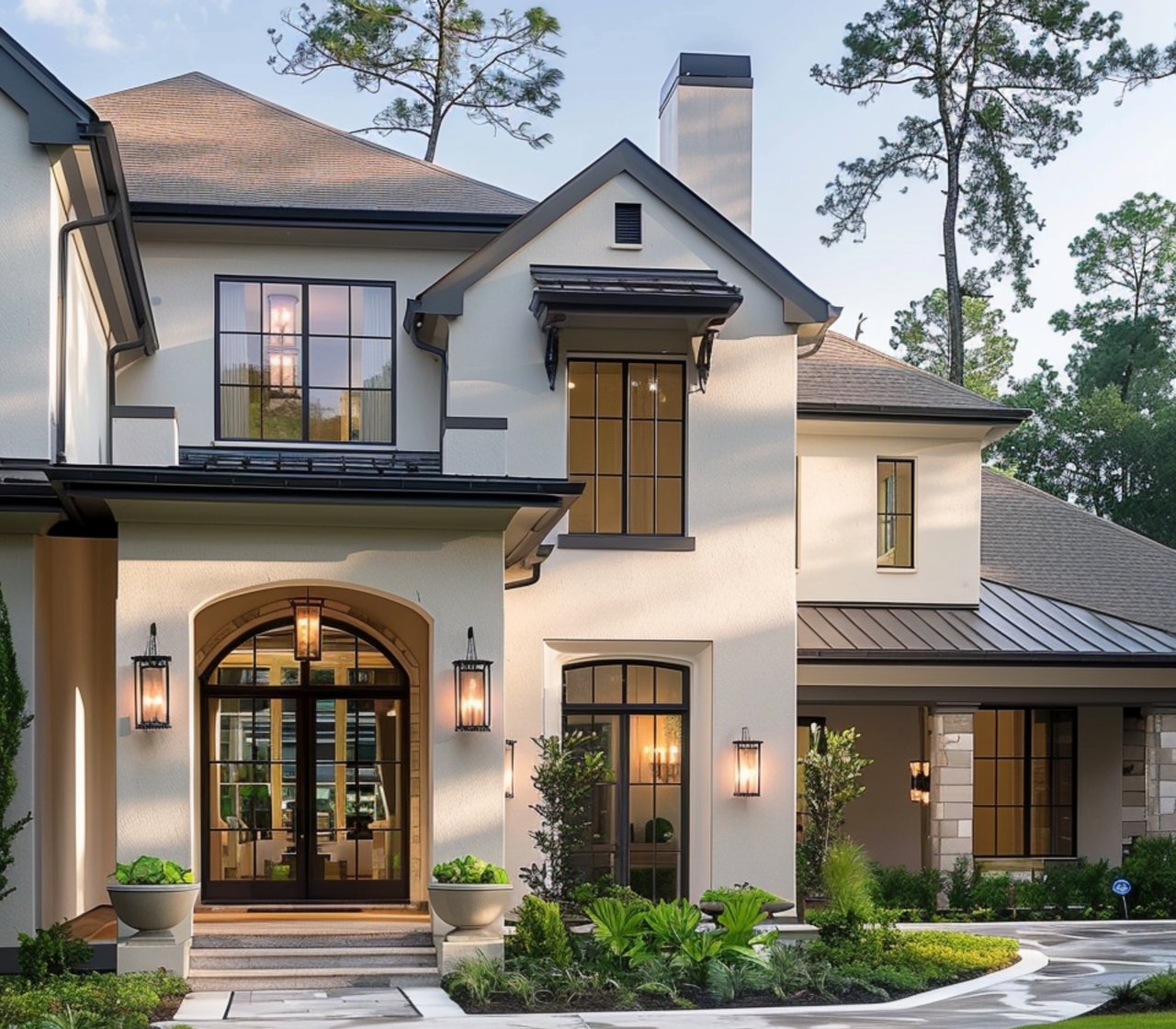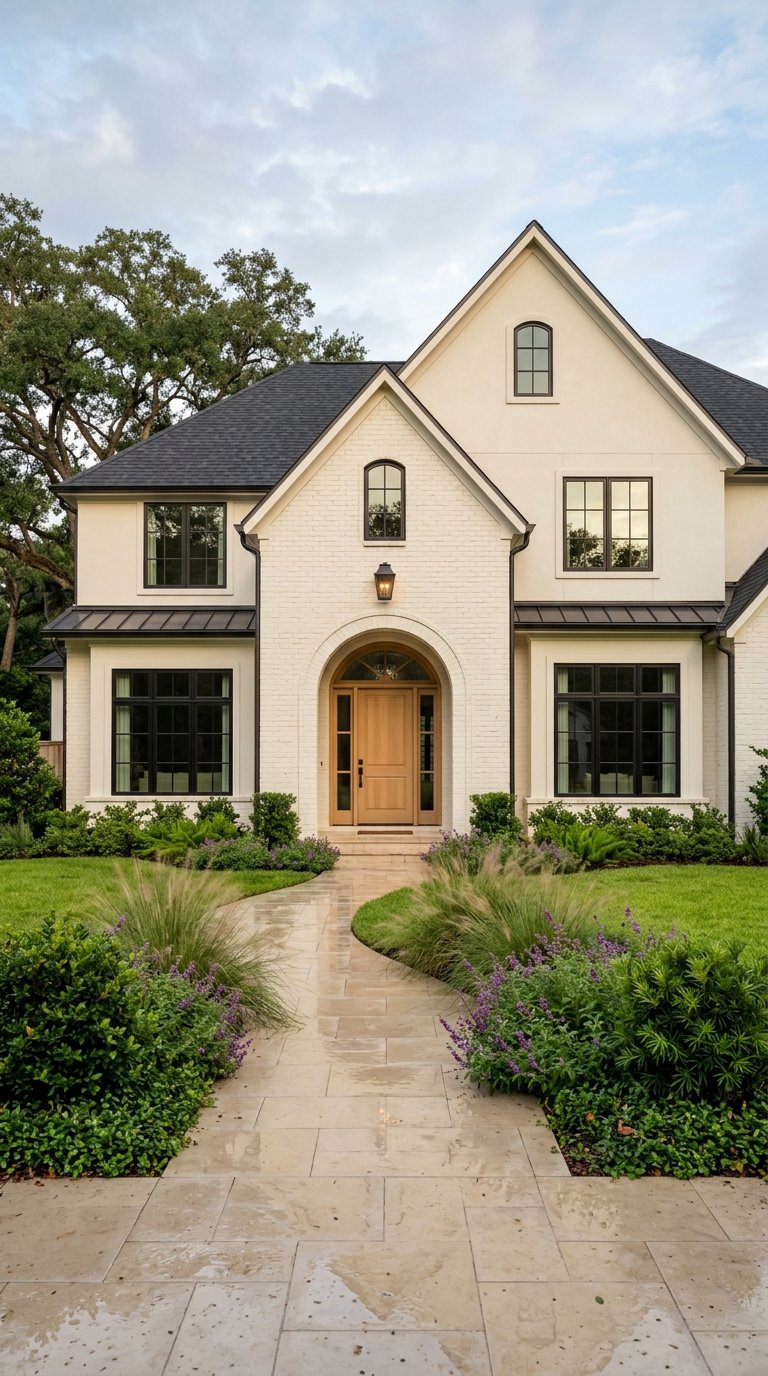
Relocating for work often sounds simple until you have to choose the right city. If you are comparing Allen and Frisco, you are really weighing budget, commute patterns, housing style, and daily lifestyle in two strong North Texas options. The good news is that both cities can work well for executive buyers, especially if you want access to the broader Dallas-Plano-Irving job base. This guide will help you compare the numbers and the on-the-ground fit so you can make a more confident move. Let’s dive in.
Allen vs Frisco at a glance
Allen and Frisco share some important strengths. Both offer similar average commute times of about 28 minutes, and both report very high computer and broadband access, which is helpful if your schedule includes hybrid work or frequent video meetings. According to U.S. Census QuickFacts, the bigger differences show up in scale, price point, and development pattern.
Allen is the smaller and more compact city, with 113,746 residents across 26.40 square miles. Frisco is significantly larger, with 235,208 residents across 68.64 square miles. Frisco also reports a higher median household income at $150,212 compared with $130,901 in Allen, along with a larger share of adults with a bachelor’s degree or higher.
From a relocation standpoint, that means Allen may feel more contained and easier to learn quickly, while Frisco offers a larger footprint with more business and lifestyle nodes spread across the city.
Housing costs matter first
For many relocating executives, housing budget is the clearest starting point. Recent Redfin housing data for Allen shows a median sale price of $438,500, while Frisco’s median sale price is $620,000. That is a difference of about $181,500.
Monthly ownership costs follow the same pattern. Census figures show median monthly owner costs with a mortgage at $2,834 in Allen and $3,386 in Frisco. For a relocating buyer, that roughly $552 monthly gap can shape everything from home size expectations to renovation reserves to how much flexibility you keep for travel or private school tuition.
If you want stronger cost containment without leaving Collin County’s executive housing conversation, Allen has the edge. If you are comfortable paying more for a higher-priced market tier, Frisco stands out.
Compare housing stock and feel
Allen housing character
Allen’s housing story is tied to a more mature suburban pattern. The city’s Downtown Allen plan notes that the central business district is the city’s oldest urban area and that existing development has aged and needs revitalization and redevelopment.
That matters if you value established areas, resale opportunities, and the possibility of older-core infill over a fully new mixed-use setting. Allen’s market was somewhat competitive in early 2026, but homes also sat longer than in Frisco, at 89 days versus 71 days, based on Redfin market data. In practical terms, that can sometimes give buyers a bit more room to evaluate options carefully.
Frisco housing character
Frisco offers a broader mix of product types in a more premium pricing band. The city reports 93,139 housing units, including 62,257 single-family units and 29,144 multi-unit units, according to its city snapshot. Combined with its higher median sale price, that points to a larger and more varied housing inventory across several development styles.
Census data also shows Frisco remains owner-heavy, with 65.9% owner occupancy, while still maintaining a meaningful rental layer and a median gross rent of $2,014. For executives who may want to lease first and buy later, that mix can be useful during a transition period.
Commute patterns are different
Allen favors a US-75 routine
If your workdays pull you toward Dallas or Plano via US 75, Allen deserves a close look. The city’s downtown plan identifies US 75 North Central Expressway as the main route connecting Allen to downtown Dallas, with McDermott Drive and US 75 carrying the primary traffic in and out of downtown.
The same plan states that Allen has not opted into the DART service area and does not have scheduled transit service. It also notes that the walking network is incomplete and there are no dedicated street-based bicycle lanes or protected paths in the right-of-way. In plain terms, Allen is an auto-oriented city today, which can be perfectly workable if you want a drive-first routine and a more compact suburban base.
Frisco aligns with DNT and SH121
Frisco is built around a different commute geography. The city sits along the Dallas North Tollway and SH121 corridor, and official city reporting notes DNT widening is underway to add capacity.
Frisco also offers DCTA curb-to-curb demand-response transit within the city and designated parts of Plano. While Frisco is not a transit-first market either, its transportation partnerships are geared toward first- and last-mile connectivity around Frisco Station, The Star, and HALL Park. If your meetings, office visits, or client dinners cluster around the Tollway corridor, that can be a meaningful advantage.
The same city report places Frisco about 25 miles north of downtown Dallas and notes that DFW and Love Field are within a short 30-minute drive. For executives who travel often, that airport access may carry real weight.
Lifestyle fit can shape the decision
Allen feels more neighborhood-scaled
Allen’s lifestyle profile is less about major destination districts and more about an everyday suburban rhythm. The downtown vision emphasizes local businesses, restaurants, market days, food trucks, festivals, professional offices, and co-working, showing that the city is actively reinvesting in older nodes rather than standing still.
For recreation, Allen highlights assets such as the Joe Farmer Recreation Center and trail connections including Celebration Trail, Rowlett Trail, and Cottonwood-Downtown links. If you want a more neighborhood-scale feel with solid recreation infrastructure, Allen checks that box well.
Frisco offers more amenity density
Frisco has a broader amenity footprint. The city says it offers more than 60 parks plus trails and natural areas, and official city materials also point to major activity centers like The Star, PGA Frisco, Frisco Station, and HALL Park.
For many relocating executives, that translates into more choices for dinners, events, after-work gatherings, and office-adjacent activity within the city itself. If your ideal week includes easy access to a concentrated mix of business and lifestyle districts, Frisco usually delivers more of that environment.
Which city fits your priorities?
Here is the simplest way to frame the decision.
Choose Allen if you want:
- A lower median home price
- A more compact suburban setting
- A drive-first commute pattern centered on US 75
- A mature housing stock with redevelopment potential
- A neighborhood-scale lifestyle with recreation and trails
Choose Frisco if you want:
- A higher-end price tier and broader housing mix
- Stronger amenity density
- Better alignment with the DNT and SH121 corporate corridor
- More mixed-use and office-adjacent districts
- A city layout that may better support frequent business dinners, events, and airport runs
A practical executive lens
For most relocating executives, this is not really an Allen versus Frisco debate in the abstract. It is a question of where your daily pattern will feel easiest and most sustainable.
If you want to control housing costs while staying connected to North Dallas and Plano employment centers, Allen is a smart and disciplined option. If you are willing to spend more for a broader amenity base and stronger alignment with the Tollway corridor’s corporate geography, Frisco may be the better fit.
Both cities support hybrid-capable professionals well from a connectivity standpoint. The bigger tradeoffs are budget, car access, and lifestyle mix, not whether one city is objectively better than the other.
If you want help comparing neighborhoods, resale potential, and the real cost differences between Allen and Frisco, Edwin Jones offers a private-client approach built around clear market data, thoughtful guidance, and a relocation strategy tailored to how you actually live and work.
FAQs
What is the main price difference between Allen and Frisco for executive homebuyers?
- Recent Redfin data shows a median sale price of $438,500 in Allen and $620,000 in Frisco, making Frisco about $181,500 more expensive at the median.
How do Allen and Frisco compare for commuting to Dallas-area offices?
- Allen is more closely tied to a US 75 drive-first commute, while Frisco is more aligned with the Dallas North Tollway and SH121 corporate corridor.
Is Allen or Frisco better for hybrid and remote professionals?
- Both cities are viable because each reports very high computer and broadband access, but Frisco has the edge in corporate-campus density while Allen has the edge in cost containment.
Does Allen have public transit for commuters?
- Allen’s downtown plan states that the city has not opted into the DART service area and does not have scheduled transit service.
What lifestyle differences matter most between Allen and Frisco?
- Allen offers a more neighborhood-scale setting with recreation and trails, while Frisco provides more parks, mixed-use destinations, and office-adjacent entertainment districts.