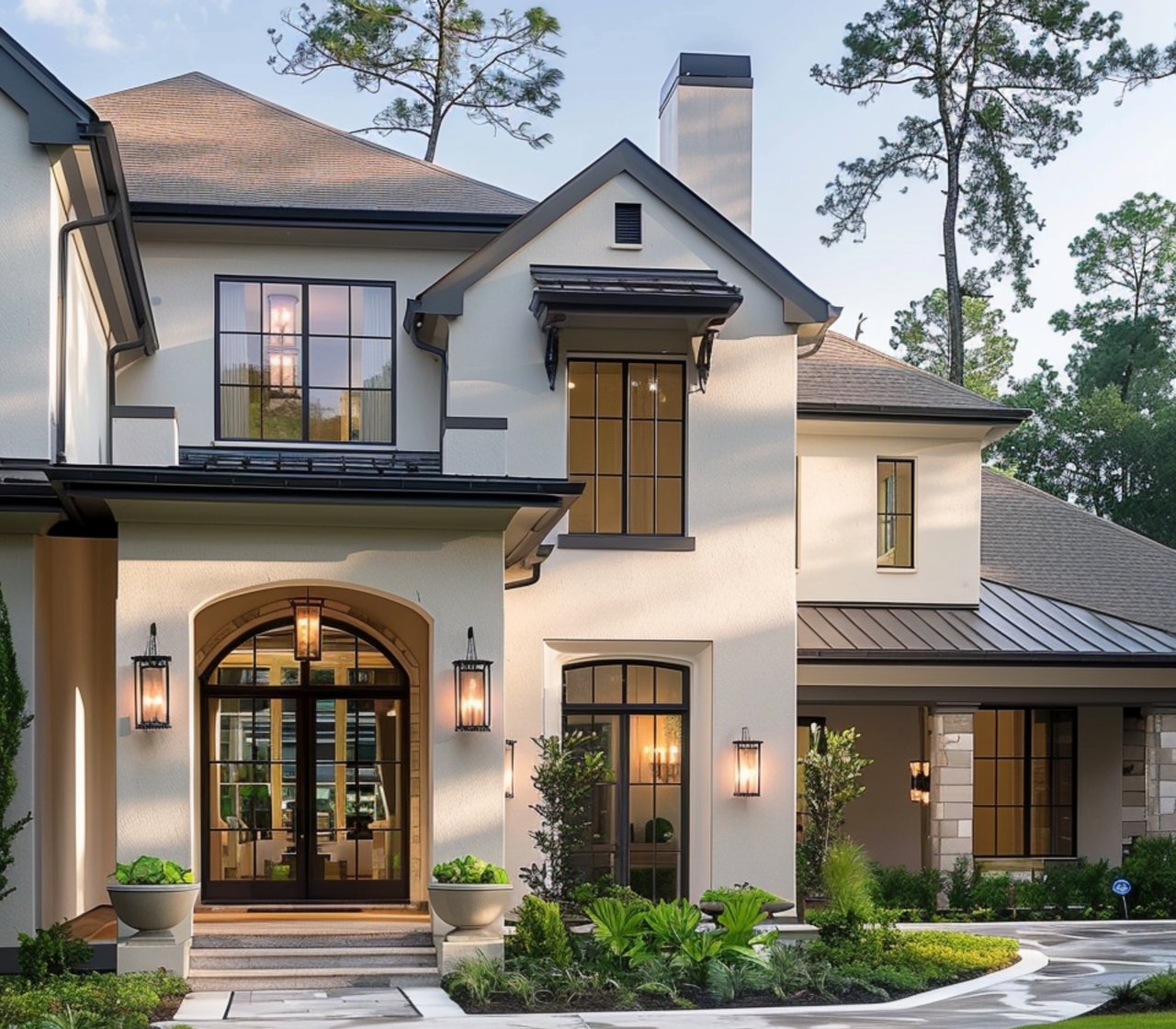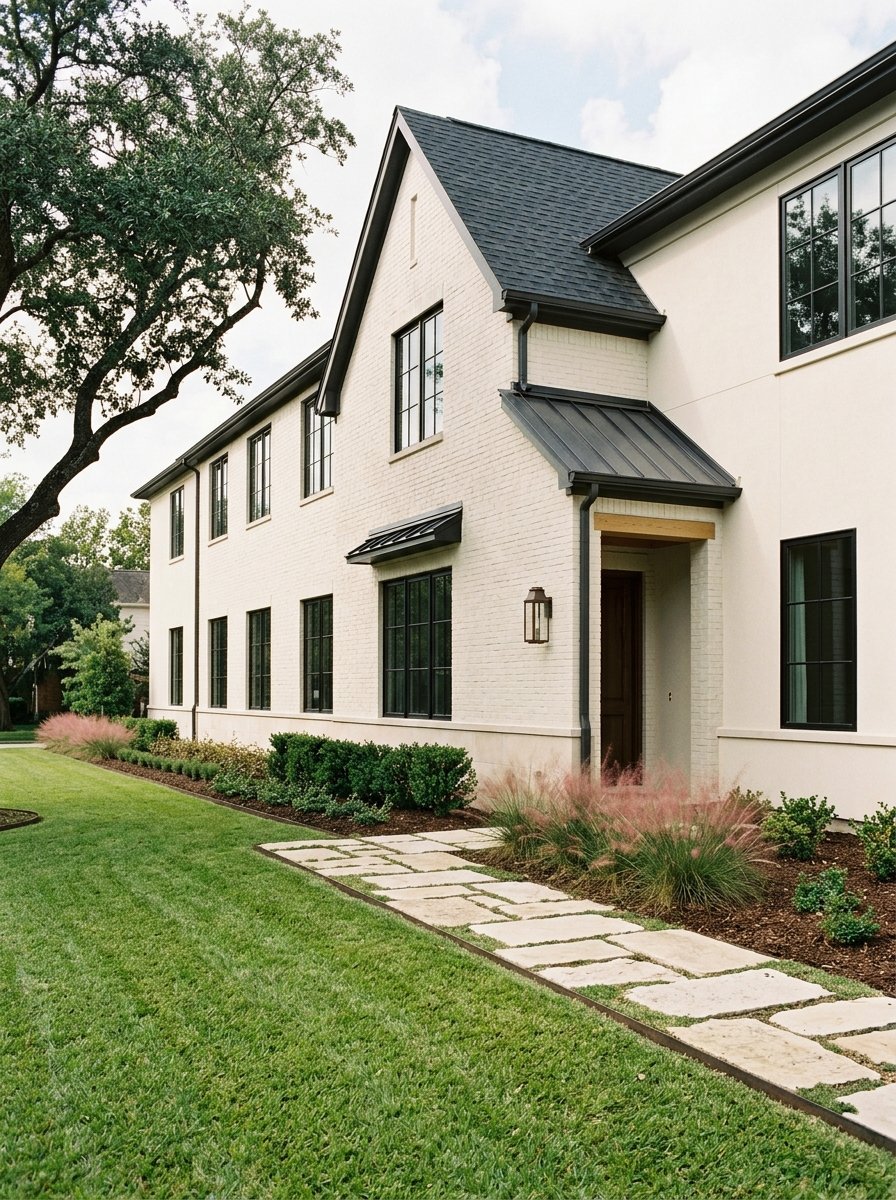
If you are building new in Prosper, it is easy to focus on the floor plan and model-home finishes first. But in a fast-growing market, the smarter decision often starts with the lot, the builder’s included features, and the upgrades that will still matter years from now. If you want to make a confident choice with resale and long-term value in mind, this guide will help you sort through the tradeoffs. Let’s dive in.
Why Prosper draws new-construction buyers
Prosper continues to attract buyers looking for newer homes, larger community plans, and long-term growth potential. According to the Town of Prosper’s demographics and planning data, the town reported a January 1, 2025 population of 46,087, an average valued home price of $823,356 in 2024, and a median household income of $214,000.
Prosper is also positioned for continued expansion. The town notes it is about 35 miles north of downtown Dallas and has a projected build-out population of 70,000. That ongoing growth is a major reason why buyers should think carefully about where within Prosper they build, not just whether the house itself looks appealing today.
For many buyers, school access and community planning are also part of the equation. Prosper ISD spans about 58 square miles across Collin and Denton counties and serves more than 33,000 students, which reflects the scale of growth happening across the area.
Start with the lot, not the finishes
A lot is not just the place your house sits. It is a major part of what you are buying, and it can shape privacy, outdoor use, daily enjoyment, and future resale. Nationally, the National Association of Home Builders reported that 64% of single-family builders said they had a lot shortage in May 2025, and its 2024 construction-cost survey found that finished lot cost averaged 13.7% of the final home sales price.
That matters in Prosper because lot options vary widely by community. Star Trail currently markets homes on 55', 65', and 86' lots, while Windsong Ranch has builder pages for 61' and 71' lots. Lakewood at Brookhollow offers another example of 60' lots, and Park Place markets 80' lots.
This means you should compare more than square footage. A wider lot may offer a better backyard layout, more separation from neighbors, or a stronger long-term resale position. In some cases, a smaller lot in a better location within the community may be the stronger choice.
What to evaluate on a Prosper lot
When you compare lots, focus on practical details that affect value and livability:
- Orientation and how the home sits on the lot
- What the lot backs to, such as open space, trails, future phases, or busier roads
- Usable yard space, not just total lot dimensions
- Frontage and streetscape, which can affect curb appeal
- Nearby future development, including roads or commercial pads
- Recurring carrying costs, including HOA and any district-related fees
Buyer preference research supports this approach. The National Association of Realtors community and transportation research notes that many buyers seek parks, trails, shops, and other walkable amenities, and about 6 in 10 residents would spend at least a little more for a walkable community.
In practical terms, lots near permanent features like green space, trails, or parks can be easier to resell than lots facing traffic or future construction. The exact premium depends on the subdivision, but the principle is worth keeping in mind before you sign.
Compare communities before builders
In Prosper, new construction is not one uniform product. You are choosing between different lot widths, amenity packages, HOA structures, and overall community design. That is why your first comparison should often be community to community, then builder to builder inside those communities.
For example, Star Trail says it offers more than 1,800 homes on just over 900 acres with builders from the $700s to $1 million+. Windsong Ranch says it will ultimately include up to 3,500 single-family homes, four amenity centers, four onsite schools, and two fire stations.
Those are very different settings, even before you compare floor plans. Smaller-lot communities, gated options, and larger-lot master-planned neighborhoods may all appeal to different buyers for different reasons. Your best fit may depend more on the neighborhood framework and lot placement than on whether one kitchen island is slightly larger than another.
Questions to ask about the community
Before you narrow your builder list, ask:
- How large is the community at full build-out?
- What amenities are complete today versus planned later?
- Are there future phases near the lot you like?
- What are the HOA dues?
- Are there MUD or PID fees?
- Which county is the home in?
- What is the current school assignment?
Recurring fees deserve close attention. Star Trail’s community information says residents are served by city water and do not incur MUD or PID fees. The research also notes that Brookhollow West says it has no MUD or PID tax. Even so, HOA dues, county location, and district tax rates can still change your monthly carrying cost.
Look past the model home when comparing builders
Model homes are designed to create an emotional reaction. That is helpful for inspiration, but not enough for a sound buying decision. A builder comparison should focus on what is actually included, what costs extra, and which options are difficult to change after closing.
In Prosper, the same general area can include homes on very different lots and in very different amenity settings. According to the research, that is one reason buyers should compare structural packages, included features, and community fit, not just floor plans or headline pricing.
Compare these builder details carefully
When you review builders, look at:
- Base price versus true out-the-door cost
- Structural options, such as added baths, bedrooms, or expanded living areas
- Energy-efficiency features
- Roofing and exterior materials
- Standard finish quality
- Upgrade pricing structure
- Timeline and phase availability
This is where a disciplined review can protect you from overpaying for cosmetic items while overlooking more valuable structural choices. It also helps you judge whether one builder’s lower starting price is really lower after you add the options you actually want.
Prioritize upgrades that hold value
Not all upgrades are equal. Some improve livability and resale because they are hard to add later. Others are mostly personal-style decisions that future buyers may not value the same way.
The NAR 2025 Remodeling Impact Report found that homeowners remodel for worn-out surfaces, energy efficiency, livability, and because they may sell within two years. It also reported strong REALTOR® recommendations around painting, roofing, kitchen upgrades, and bathroom renovations, with 100% cost recovery for a new steel front door.
For a new-build buyer in Prosper, the takeaway is straightforward. Spend first on features that are expensive or disruptive to change later and that future buyers can easily recognize.
Upgrades to consider first
A practical priority list may include:
- Lot premium, if it improves location within the community
- Structural changes, such as additional bedrooms or baths when available
- Energy-efficiency improvements
- Durable exterior materials and roofing
- Functional kitchen and bath upgrades
- Neutral interior finishes that preserve broad appeal
Cosmetic selections like paint color, backsplash, decorative lighting, and hardware are usually easier to adjust later. Keeping these choices neutral can also give you more resale flexibility if your plans change.
Keep taxes and boundaries in view
A beautiful home can still become a frustrating financial decision if you underestimate carrying costs. In Prosper, both town and school district taxes are important parts of the ownership picture.
According to the Town of Prosper budget information, the town property tax rate for FY 2025-26 is $0.505 per $100 of taxable value. The same source notes ongoing infrastructure investment, including downtown improvements and long-term planning for major corridors such as US 380 and the Dallas North Tollway.
The research also states that Prosper ISD’s proposed total tax rate for 2025-26 is $1.2141 per $100, down from $1.2552 the prior year. That is useful context for budgeting, but it should still be paired with lot-specific and community-specific cost review.
School assignments also deserve verification at the time you buy. Prosper ISD approved new middle-school attendance boundaries for the 2026-27 school year, which is a good reminder that attendance boundaries can change in a fast-growing district.
A smart Prosper exit strategy
Even if you plan to stay for years, you should buy with an exit strategy in mind. The goal is not to guess the future perfectly. It is to avoid choices that could narrow your resale pool or create avoidable friction later.
That usually means balancing what you want today with what a future buyer is likely to value. In a market where lot cost and construction cost already make up a meaningful share of the purchase price, disciplined choices can matter just as much as design taste.
Your new-build checklist
Before signing a contract, verify:
- The exact lot orientation
- What the lot backs to today
- Whether future phases, roads, or commercial uses are planned nearby
- The current school assignment
- Whether attendance boundaries are changing
- The full tax, HOA, and any MUD or PID burden
- Which upgrades are structural versus easy to replace later
If you want a more strategic way to evaluate Prosper new construction, Edwin Jones offers Private Client guidance built around lot selection, resale positioning, and data-driven decision-making so you can build with more confidence.
FAQs
What should you look for in a Prosper new-construction lot?
- Focus on orientation, what the lot backs to, usable yard space, nearby future development, frontage, and the full monthly carrying cost including taxes and HOA dues.
How do you compare builders in Prosper fairly?
- Compare structural options, included features, energy-efficiency items, exterior materials, lot choices, and total cost after upgrades instead of relying only on the base price or model-home presentation.
Which new-build upgrades matter most for resale in Prosper?
- Structural changes, energy-efficiency improvements, durable exterior elements, and practical kitchen or bath upgrades usually deserve more attention than highly personal cosmetic finishes.
Why do Prosper taxes and fees matter when building new?
- Taxes, HOA dues, and any MUD or PID-style costs affect your monthly payment and long-term affordability, so they should be modeled before you choose a lot or builder.
Can Prosper ISD attendance boundaries change for a new-build home?
- Yes. In a fast-growing district, attendance boundaries can change, so you should verify the current assignment and review any announced future boundary updates before signing.