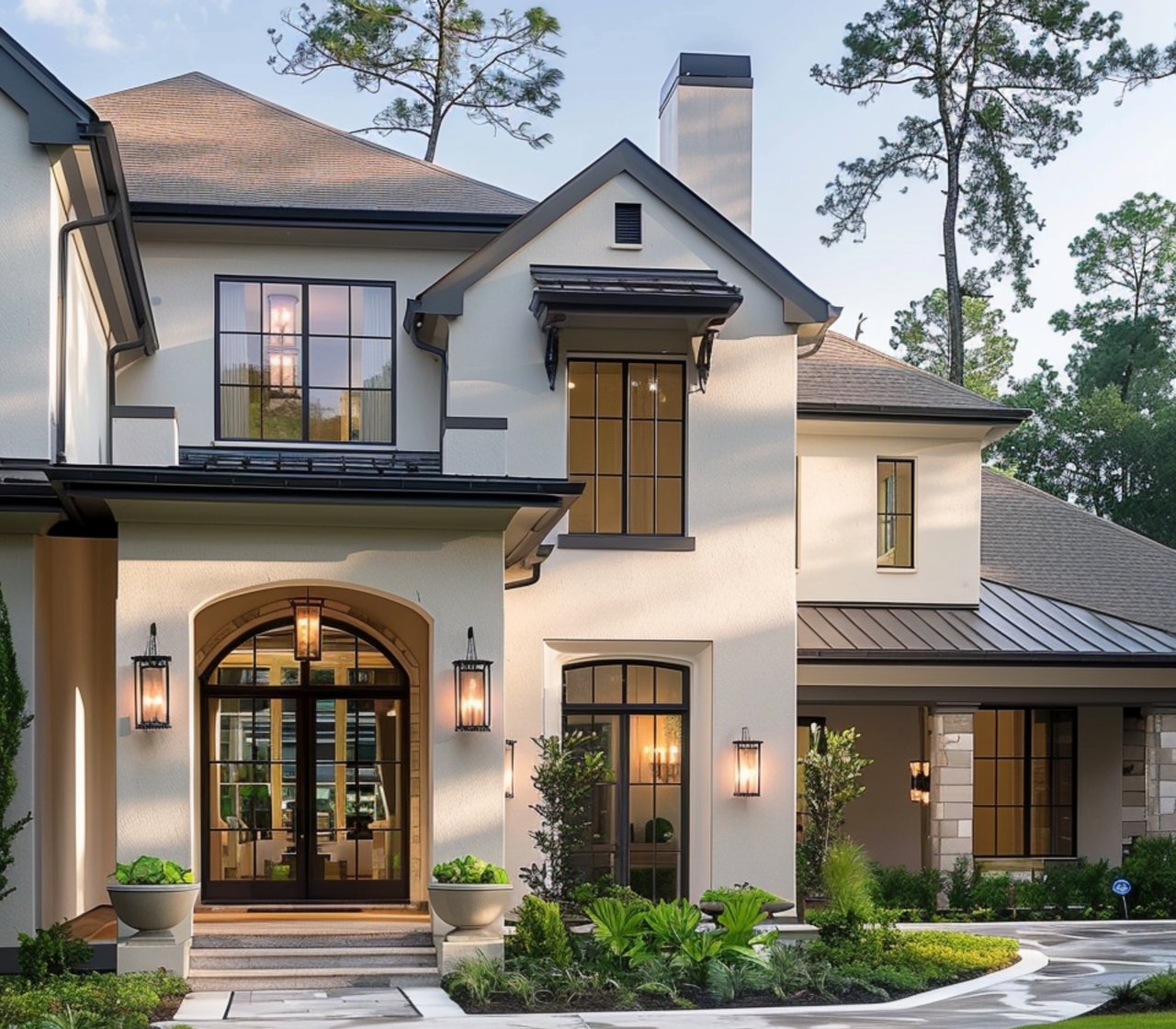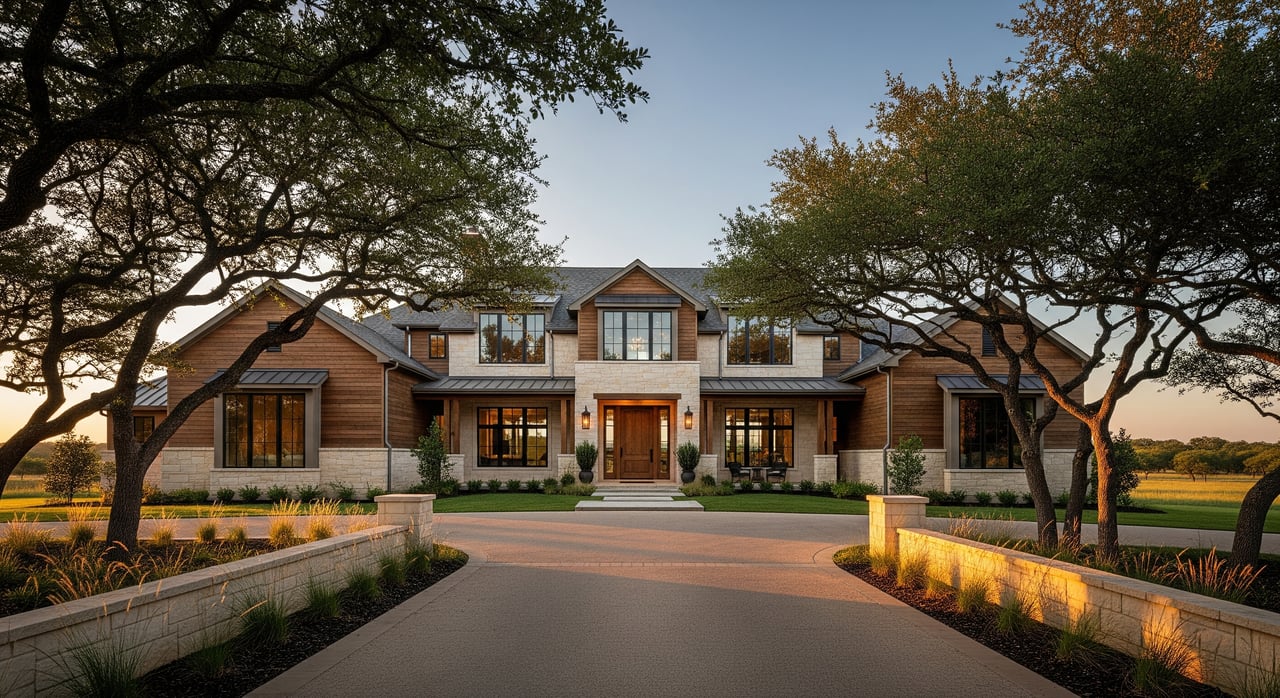
Thinking about moving up from your current home and torn between Frisco and McKinney? You are not alone. Both cities have grown fast and offer strong amenities, but they create value in different ways. In this guide, you will compare the factors that matter most for long-term value, from ownership costs and school boundaries to commute access, lot sizes, and resale potential. Let’s dive in.
What drives long-term value
Long-term value is not about a single headline price. It is the sum of several factors that shape demand, supply, and carrying costs over time.
- Demand: jobs and corporate growth, schools, parks, retail, and quality-of-life amenities.
- Supply: new construction pipelines, resale inventory, and local zoning.
- Policy and cost: property taxes, HOAs, MUDs, and planned infrastructure.
If you optimize across these inputs for the home you choose, you improve both livability and future resale.
Frisco vs. McKinney at a glance
Here is how many move-up buyers frame the choice, based on product type and lifestyle fit.
Market character
- Frisco: Extensive master-planned communities with modern amenities, sports and entertainment investments, and strong buyer demand from corporate relocations.
- McKinney: A mix of newer subdivisions and established neighborhoods, plus a desirable historic downtown core and more options for larger lots in some areas.
Housing stock and lots
- Frisco: Many newer homes with modern layouts; some higher-density master plans mean smaller lots in certain neighborhoods, with larger estate areas in select pockets.
- McKinney: Broad variety that includes larger-lot suburban and some semi-rural options, along with historic homes near downtown.
New construction
- Frisco: Significant new-build activity with national and regional builders. You often get contemporary features and warranties, but price per square foot can be higher.
- McKinney: Ongoing new construction plus deeper resale options in established areas. You may see more mature trees and larger yards for the price in some segments.
Lifestyle and amenities
- Frisco: Mixed-use entertainment, corporate campuses, and large retail attract buyers who value newer amenities close by.
- McKinney: Walkable historic downtown, parks, and a more traditional suburban feel serve buyers who value character and space.
Commute access
- Frisco: Locations near the Dallas North Tollway and State Highway 121 can shorten trips to north Dallas and Plano job centers.
- McKinney: Access to US 75 and SH 121 supports regional commutes; some trips to central Dallas may run longer depending on the neighborhood.
Schools and boundary considerations
School district reputation is a key price driver in family-oriented suburbs. Frisco ISD and McKinney ISD both serve parts of these cities, and some parcels fall into other districts. Boundaries can shift with growth, which affects daily routines and future buyer pools.
Consider this due diligence:
- Confirm the current school district and campus assignments for each address you tour.
- Review district capacity, recent bond programs, and any boundary or rezoning discussions.
- Track how school assignments align with your commute and activities.
Keep your language neutral when evaluating schools. Focus on commute fit, programming that matters to you, and how boundary stability could influence resale.
Commute and accessibility
Your daily drive shapes quality of life and buyer demand. In general, proximity to the Dallas North Tollway and SH 121 favors commutes to Plano and north Dallas job nodes. US 75 serves McKinney well, especially for travel toward Dallas and the Telecom Corridor. Future road and transit upgrades can change the picture, so watch regional plans and city capital projects.
When you tour, time your commute during peak hours, not just mid-day. Buyers notice the difference, and so will your future resale audience.
New construction or resale
New construction offers modern layouts, energy features, and warranty protection, which can lower near-term maintenance. You also get consistent neighborhood aesthetics, though phased build-outs can affect early resale timing.
Resales deliver mature landscaping, established streetscapes, and often more lot for the money in certain areas. Older homes may need updates, but targeted renovations can create value and widen your buyer pool later.
A balanced move-up strategy often compares both, then selects the best combination of layout, lot, and carrying cost within your budget.
Lot size, floor plan, and HOA regimes
What you buy now sets your future resale story. Aim for broad-appeal features.
Lot and outdoor space
- McKinney often provides more options for larger lots and backyard privacy across various neighborhoods.
- Frisco delivers many community amenities; lot sizes vary, with larger estate areas in select communities.
Floor plan versatility
- Look for 4 or more bedrooms, 3 or more baths, a flexible office or guest suite, and a 2 or 3 car garage.
- Consider storage, drop zones, and outdoor living for daily function.
HOA and architectural rules
- Master-planned HOAs can protect neighborhood appearance and amenity quality, which often supports resale consistency.
- Review rules for exterior changes, parking, and short-term rentals to avoid surprises.
Ownership costs that shape value
Carrying costs often decide whether a home is a long-term keeper.
Property taxes and districts
Texas relies on property taxes for local funding. Two homes a few streets apart can have different effective rates due to school district, city, county, and special district overlays. In both Frisco and McKinney, verify the tax district mix for each address and review recent appraisal trends and protest options.
HOA dues and MUD charges
Some newer communities use Municipal Utility Districts to finance infrastructure. MUD taxes and HOA dues add to monthly costs and vary by neighborhood. Compare dues against the amenities you will use and factor them into your affordability model.
Insurance and site-specific risk
Premiums depend on home age, roof condition, and local hazards. Flood insurance is separate and generally required only if a property sits in a FEMA special flood hazard area. Confirm the flood zone, drainage context, and any recent roof or systems upgrades that can reduce risk and improve insurability.
Maintenance and capital planning
Newer homes may have lower near-term repairs but can carry higher prices. Older homes might trade upfront projects for better lots or location. Build a 5 to 10 year capital plan for roofs, HVAC, windows, and outdoor improvements so you protect value and enjoy the property.
Move-up financing and timing
The path you choose should match your liquidity and risk tolerance.
Common approaches
- Sell first to unlock equity, then buy with a stronger down payment.
- Use a bridge loan or HELOC to buy before selling, with clear timelines to reduce carrying overlap.
- Hold your current home as a rental if the numbers support it, including vacancy assumptions and maintenance reserves.
Model the costs for owning two homes during any overlap. Include taxes, insurance, HOA, and utilities, and review the local rent market if you plan to lease your current home.
Liquidity of the home you buy
When you resell, you want a wide buyer pool. Homes with flexible layouts, outdoor living, quality finishes, and access to amenities in demand tend to move faster. Avoid over-customization that narrows future appeal.
Risks to watch and catalysts ahead
Potential risks
- Oversupply of similar new-build product in one area can compress appreciation for that segment.
- Infrastructure lag, such as school capacity or road congestion, can impact quality of life.
- Rising taxes, insurance, or utility costs can erode affordability.
- Localized environmental risks, including floodplains or drainage issues, warrant address-level checks.
Possible catalysts
- Corporate relocations, new job centers, or medical and education expansions can lift nearby demand.
- Highway improvements and new connectors that shorten commutes often benefit adjacent neighborhoods.
- New parks, trails, and public amenities improve day-to-day livability and future resale stories.
How to keep your data current
You do not need a full market dashboard to stay confident, but you do need a short list of reliable sources. Track these before you write an offer:
- Local MLS analytics for median price, price per square foot, days on market, and months of supply for your exact product type.
- Collin Central Appraisal District for parcel-level tax districts and assessed values.
- City planning and capital programs for both Frisco and McKinney to monitor infrastructure and rezonings.
- Regional transportation plans that affect commute times in the next 3 to 10 years.
- District communications for school capacity, bonds, and boundary updates.
- FEMA flood maps and local floodplain management for address-specific risk.
A simple decision framework for your search
Use this framework to compare two finalist homes, one in Frisco and one in McKinney, side by side.
- Fit and function
- Must-haves: 4+ bedrooms, 3+ baths, 2 or 3 car garage, a true office or flex space, and practical storage.
- Lot and location
- Evaluate lot size, privacy, sun orientation, and walkability to parks or trails.
- Commute and daily rhythm
- Time real commutes during rush hour and consider pickup and activity routes.
- Carrying costs and risk
- Add property taxes, HOA and MUD, insurance, and a 10-year maintenance plan. Include flood zone and roof age.
- Resale story
- Ask if the home has broad appeal, strong neighborhood amenities, and clear value drivers you can articulate in two sentences.
If the McKinney home delivers a larger lot and lower tax load with a solid commute, it might win. If the Frisco home offers a superior layout, amenities, and stronger buyer demand, that can tip the scales. Your best choice is the one with the strongest total value stack for your family and future buyer.
Ready to compare homes with confidence?
If you want a tailored, data-first comparison of Frisco and McKinney that models taxes, HOA and MUD costs, commute scenarios, and resale potential for the exact homes you are considering, request a Private Client consult. As a fiduciary adviser, I structure your move to maximize value with clear financials and tasteful presentation when it is time to sell or buy. Start with a Private Client Market Analysis from Edwin Jones.
FAQs
What should a move-up buyer compare first between Frisco and McKinney?
- Start with lot size, layout, commute, and total carrying costs, then layer in neighborhood amenities and resale demand for your specific product type.
Are property taxes higher in Frisco or McKinney?
- It varies by address due to city, county, school district, and special districts; verify parcel-level tax districts and run an apples-to-apples monthly cost comparison.
How do HOAs and MUDs affect affordability in these suburbs?
- HOA dues and any MUD taxes add to monthly costs; weigh them against the amenities and infrastructure they fund to judge overall value.
Is new construction or resale better for long-term value here?
- New builds offer warranties and modern features, while resales may provide larger lots or established settings; choose the best combination of space, cost, and resale appeal.
How do school boundaries influence value in Frisco and McKinney?
- School assignments affect daily routines and future buyer pools; confirm current boundaries and watch for growth-driven changes that could impact your address.
What commute differences matter most for long-term appeal?
- Proximity to the Dallas North Tollway, SH 121, or US 75 can reshape daily travel; time peak-hour commutes from each home to your job centers before deciding.