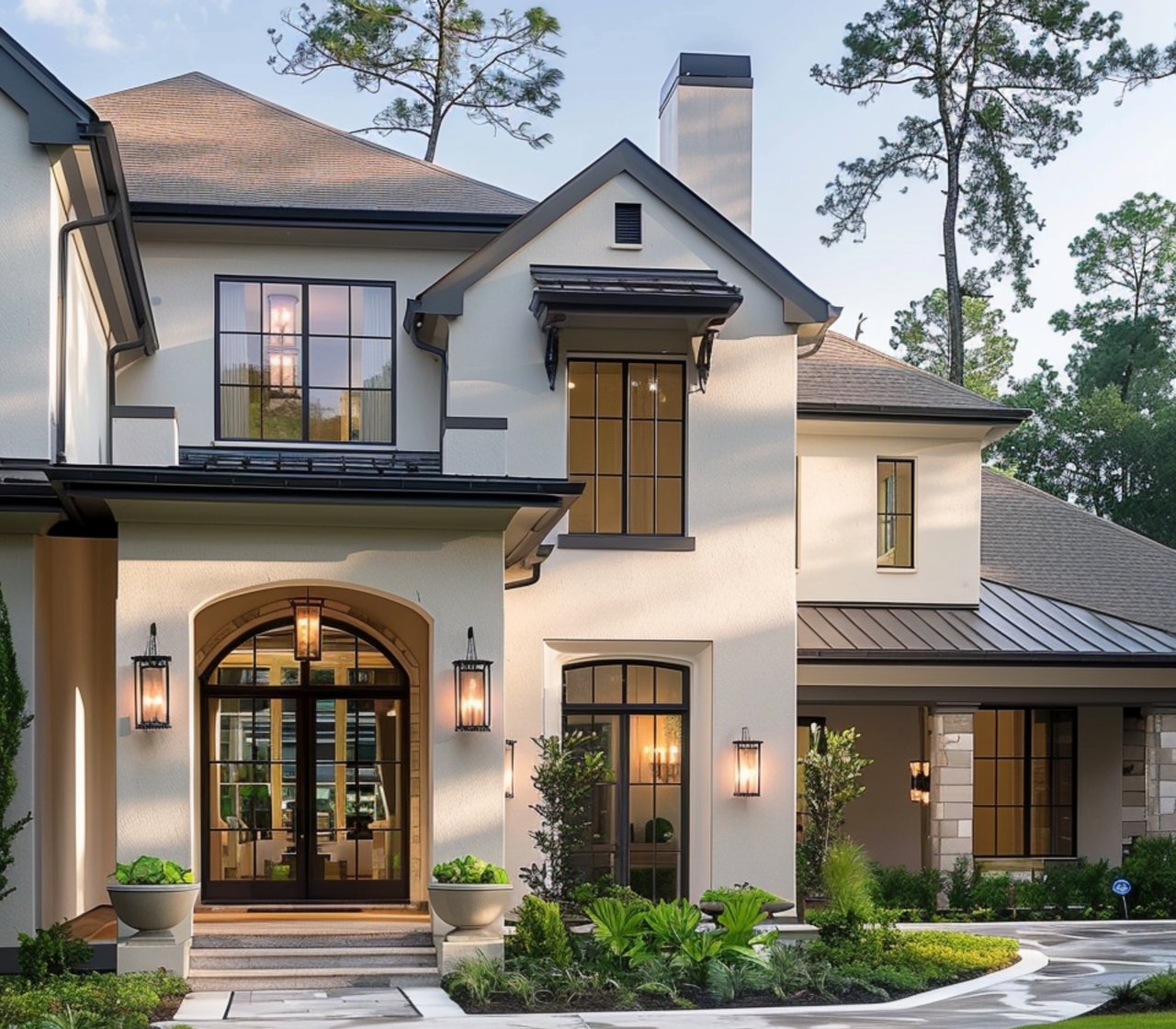
Is Prosper’s fast-growing market nudging you to choose between a brand-new build and a move-in-ready resale? It is a big call, and the right answer depends on your timing, budget, and tolerance for variables like construction schedules, HOA rules, and property taxes. In this guide, you will learn how new construction and resale compare in Prosper, what costs and timelines to expect, and how to structure a smart decision that protects your interests. Let’s dive in.
Prosper market context for this choice
Prosper sits in northern Collin County within the Dallas–Fort Worth metroplex. Growth has been fueled by master-planned communities, commuter access, and steady buyer demand. You will see an active pipeline of new single-family homes, often in amenity-rich subdivisions with pools, trails, and community centers.
Local planning details matter. School attendance zones and ratings influence demand and resale value, so verify current information with the school district and the Texas Education Agency. Property taxes combine Collin County, City of Prosper, school district, and sometimes Municipal Utility District taxes in newer communities. HOA rules and fees vary by subdivision and can affect your monthly carrying costs and lifestyle fit.
New construction: what to expect
Features and lifestyle
New homes typically offer modern floor plans, energy-efficient systems, and the ability to select finishes during certain build phases. Many are in communities with new infrastructure and shared amenities. Some lots carry premiums, such as corner or oversized parcels or locations near parks and trails.
Timeline and availability
Build timelines depend on product type. Inventory or spec homes can close within weeks or a few months once completed. Semi-custom or custom builds often take several months, sometimes 3 to 12 months or longer based on scope and supply timing. Your move date will track the construction schedule and any change orders you approve.
Pricing and negotiation
New construction pricing starts with a base price, then adds lot premiums and design upgrades. Negotiation usually revolves around incentives like closing-cost credits, rate buydowns, and selected upgrades. Base prices and premium lots can be less flexible when demand is strong. Appraisals can be trickier if few comparable closed sales exist for the exact plan and finish level.
Inspections and warranties
Builders typically provide limited warranties that may cover workmanship, systems, and structural components for different terms. A common industry pattern is 1 year on workmanship, 2 years on systems and mechanicals, and longer for structural items, but you should confirm the exact terms in the builder’s contract. Even with new construction, plan for third-party inspections, including a pre-drywall inspection when possible and a final inspection to support your punch list.
Ongoing costs
You can expect lower near-term maintenance due to new systems and appliances. Budget for landscaping and window coverings, which may not be included. Review HOA fees and confirm whether the subdivision is in a MUD, since both can materially affect your monthly and annual costs.
Resale homes: what to expect
Features and lifestyle
Resale homes offer mature landscaping and established streetscapes. You may find a lower price per square foot compared with a new build at similar size, depending on age and condition. Many resale homes are move-in ready, while some will need updates or renovations to match your taste.
Timeline and negotiation
Most resale closings occur within 30 to 45 days once financing and inspections are complete. All-cash purchases can be faster. Price can be more negotiable depending on days on market, condition, and the seller’s goals in the current market.
Inspections and disclosures
You will rely on seller disclosures as required under Texas law and your own inspections during the option period. If issues come up, you can negotiate repairs or credits. The option period is your chance to understand the property and make an informed decision.
Ongoing costs
Older systems may require repairs or replacements sooner. Mature trees and landscaping can be a lifestyle plus, and they can bring maintenance needs. Confirm HOA rules and dues if the property is in a managed community, and verify the exact property tax rate with the appraisal district.
Taxes, HOAs, and MUDs in Prosper
Property taxes in Texas can feel higher since there is no state income tax, so run careful comparisons. In Prosper, your bill may include county, city, school district, and MUD taxes if the home is in a newer utility district. MUD bonds are repaid through annual taxes, which appear as separate line items. Always identify every taxing entity for the specific property before you write an offer.
Many Prosper subdivisions are HOA managed. Request the CC&Rs and fee schedules, and look for initiation fees, amenity costs, and any planned assessments. HOA rules shape daily living, from design approvals to parking and amenity access, so make sure they fit your needs.
Financing and incentives
Conventional, FHA, and VA loans are available for both new and resale homes, though documentation and appraisals can vary. Builders often offer incentives, including closing-cost credits or interest-rate buydowns, sometimes tied to a preferred lender. Ask for a written breakdown showing whether the incentive is a true credit or built into the price, and compare scenarios with outside lenders.
Custom builds can require construction-to-permanent financing, which involves draws and additional documentation. If you are considering that path, build in time for underwriting and review the draw schedule, inspection requirements, and conversion terms.
Contracts and protections in Texas
For resale transactions, buyers and sellers commonly use the TREC One to Four Family Residential Contract. It includes an option period for inspections and a framework for financing contingencies. For new construction, TREC promulgates new home contracts for completed and incomplete construction. These forms outline timelines, change-order processes, warranties, selections, and completion dates.
Focus on the details that protect you. Confirm financing contingencies, inspection rights, completion and occupancy dates, any liquidated damages, punch list procedures, and warranty terms. The goal is to align the document with your move plan and risk tolerance.
Decision framework: which fits your plan
Use this quick checklist to compare your options in Prosper:
Timeline
- Do you need to move in the next 1 to 3 months, or can you wait several months for a build?
- If you need speed, look for completed spec homes or well-positioned resale listings.
Budget and total cost
- Ask for a written final cost sheet for new construction showing base price, lot premium, upgrades, and estimated closing costs.
- For both paths, include HOA dues, MUD taxes if applicable, and near-term maintenance or landscaping.
Financing and appraisal
- If considering builder incentives, compare the preferred lender’s offer to an outside lender’s fees and rates.
- Ask lenders and your agent about appraisals for your specific plan or neighborhood.
Warranties and inspections
- New build: request warranty booklets and plan third-party inspections at pre-drywall and final.
- Resale: schedule inspections during the option period and use findings to negotiate.
Taxes and assessments
- Identify all taxing entities for the exact property through public records.
- Confirm MUD status and bond obligations for new communities.
HOA rules and fees
- Review CC&Rs and amenity costs, and check for initiation fees or planned assessments.
Resale value and community trajectory
- Study comparable closed sales in the same subdivision or nearby established neighborhoods.
- Verify school attendance zones and review city planning updates for nearby development.
Change-order cushion
- For new builds, keep a contingency for upgrades and unexpected changes.
Common pitfalls and red flags
New construction
- Vague warranty language or exclusions, unclear timelines, or heavy penalties for delays.
- Large change-order costs without transparent pricing, or uncertain MUD status and tax impact.
Resale
- Limited disclosures, signs of foundation or drainage concerns, or outdated major systems that can be costly to replace.
If you are selling and buying at once
Timing and housing plan
- Map your sale closing to the new home’s completion or closing. Consider temporary housing or a bridge strategy if the dates do not align.
Trade-in options
- Some builders offer trade-in programs where they purchase your current home. Compare the net proceeds to a traditional sale since guaranteed buy programs often price more conservatively.
Prep and presentation
- Prepare thorough seller disclosures and consider a pre-listing inspection to avoid surprises.
- Thoughtful updates and strong presentation can help resale homes compete with new construction nearby.
Negotiation strategy
- Review recent local comps, days on market, and typical concessions so you can price and negotiate with confidence.
What fits you: a simple rule of thumb
- Choose new construction when you value fresh systems, a tailored finish package, and access to new amenities, and you can live with a longer or less certain timeline.
- Choose resale when you want a faster move, a potentially lower price for similar size, and a mature streetscape, and you are ready to handle inspections and any updates.
Your next steps in Prosper
- Define your move timeline and must-haves, including commute, community amenities, and lot preferences.
- Run a total cost comparison for 2 to 3 finalist homes, including taxes, HOA or MUD costs, upgrades, and maintenance.
- Review the relevant TREC contract and, for new builds, the builder’s warranty booklet and selection schedule.
- Arrange independent inspections, whether you buy new or resale, and plan your punch list or repair requests.
If you want a private, data-forward plan that weighs both paths in Prosper, connect with Edwin Jones to structure your decision, align the contract to your timeline, and negotiate the right mix of price, protections, and incentives.
FAQs
What are the biggest cost differences in Prosper between new construction and resale?
- New builds often include lot premiums and upgrades, plus possible MUD taxes and HOA initiation fees, while resale may have lower upfront pricing for similar size but can require updates or system replacements.
How fast can I close in Prosper on a resale vs. a new build?
- Resale closings often take 30 to 45 days once financing and inspections clear, while completed spec homes can close quickly, and semi-custom or custom builds usually take several months.
Do I need inspections for a brand-new home in Prosper?
- Yes, plan for independent inspections, ideally a pre-drywall check and a final inspection, to support your punch list and verify systems and workmanship.
How do MUD taxes affect my monthly costs in new Prosper communities?
- MUD taxes are billed annually as a separate line item to repay utility and infrastructure bonds, so confirm the exact MUD rate for the property and include it in your budget.
Which contracts are used in Texas for new vs. resale homes?
- Resale transactions commonly use the TREC One to Four Family Residential Contract, while new builds use TREC new home contracts for completed or incomplete construction that detail timelines, selections, and warranties.
Can I negotiate price on a new build in Prosper?
- Base prices and premium lots can be less flexible, but you can often negotiate incentives like closing-cost credits, interest-rate buydowns, or selected upgrades, depending on demand and builder policies.
How do school attendance zones factor into my choice?
- School zoning can influence demand and resale value, so verify current attendance zones and any upcoming boundary changes directly with the school district and the Texas Education Agency.